
Turning Fear into Curiosity: A New Approach to Navigating Uncertainty
Uncertainty is an inherent aspect of the human experience, often leaving individuals feeling vulnerable and apprehensive. When faced with unclear futures, fear often takes centre stage, bombarding us with alarming narratives about potential failures and negative outcomes. However, an effective, research-supported strategy can transform this fear into a powerful source of motivation: curiosity.
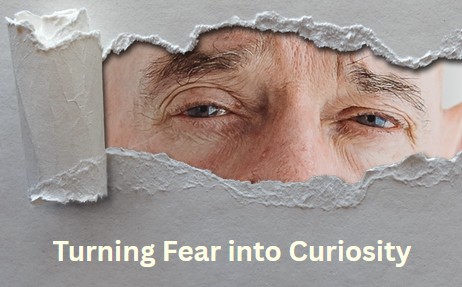
Unlike fear, which can paralyse us and cloud our judgment, Curiosity acts as a catalyst for positive change. It invites us to shift our focus from perceived dangers to opportunities for learning and growth. When we embrace Curiosity, we activate the brain’s reward system, which not only fosters enjoyment and engagement but also helps soothe an overactive nervous system. This shift helps us approach situations with a clearer mindset, reducing anxiety and strengthening our resilience.
This chapter delves deeper into the process of converting fear into Curiosity, offering practical techniques to harness this transformative power. By cultivating a curious mindset, you can face periods of change, navigate criticism gracefully, and seize new opportunities with confidence and determination. By prioritising learning over fear, you empower yourself to tackle life’s uncertainties with clarity and courage, ultimately leading to richer experiences and personal growth.
The Psychology of Fear in Uncertainty
Fear serves as a crucial alarm system for your brain, designed to alert you to potential dangers in your environment. When faced with situations that lack clarity or understanding, your amygdala—the part of the brain responsible for detecting threats—becomes highly responsive. This increased sensitivity occurs because your brain struggles to anticipate what might happen next, leading to heightened anxiety about various possibilities.
Physiologically, this response triggers a cascade of reactions within your body. You may experience rapid breathing, a racing heartbeat, and the tightening of your muscles—these are classic indicators associated with the fight-or-flight response. This reaction is a survival mechanism, ensuring that you remain alert and ready to either confront a perceived threat or escape from it.
On a psychological level, the human mind has an inherent aversion to ambiguity and uncertainty. To ease this discomfort and feel prepared, it tends to fill in the gaps in unknown situations with negative scenarios. This mental habit can create a cycle of fear, where the mind keeps anticipating the worst possible outcomes and further intensifies feelings of dread.
Over time, this avoidance pattern can reinforce the perception that uncertainty is inherently dangerous. The more you evade uncertain situations, the more daunting and threatening they appear. This avoidance can lead to a paralysing fear of the unknown, which can ultimately limit your experiences and opportunities for growth. Understanding this cycle can help you address and mitigate fear, allowing you to confront uncertainty with greater resilience and confidence.
How Curiosity Interrupts Fearful Thinking
Curiosity acts as a powerful antidote to the paralysing effects of anxiety. Neurobiologically, the state of Curiosity is fundamentally at odds with the constricted, fearful mindset often brought on by anxiety. When you consciously choose to embrace genuine Curiosity, your brain undergoes a meaningful transformation. It shifts from a reactive threat mode—characterised by heightened vigilance and fear—to an exploratory mode focused on learning and discovery. This mental shift activates the brain’s reward circuitry, particularly the striatum and midbrain, subsequently triggering the release of dopamine. This neurotransmitter is crucial because it is closely linked to motivation and learning capacity.
From a physiological perspective, engaging in Curiosity stimulates the parasympathetic nervous system. This activation promotes a state of calm and openness, facilitating resilience against anxiety. Psychologically, Curiosity reframes situations otherwise perceived as threatening, allowing individuals to view the unknown not as a source of danger but as an opportunity to learn. As a result, this shift reduces defensive reactions and the instinct to avoid potentially challenging situations. Curiosity does not eliminate fear; instead, it displaces it by redirecting the brain’s focus to a more engaging and productive task: exploring rather than fleeing.
Questions That Examine Fear More Objectively
To combat anxiety and foster a more rational mindset, the following questions—rooted in Cognitive Behavioural Therapy (CBT) principles—can be employed to critically evaluate anxious predictions and transition from emotional certainty towards a more evidence-based understanding:
How likely is this outcome, really?
Consider the actual probability of the feared event occurring. Is the fear proportionate to the likelihood of the outcome?
What’s the worst, best, and most likely scenario?
Take time to articulate the spectrum of potential outcomes, considering not just the negative possibilities but also the positive and the most probable scenarios.
How often have my past worries actually come true?
Reflect on past anxieties and assess how many of them have materialised. This can provide insight into the reliability of current fears.
If the feared outcome happened, how would I cope?
Identify and list the resources, support systems, or strategies you would employ to handle the situation. What would your plan be?
What is this worry costing me versus what it buys me?
Evaluate the impact of the worry on your life, including time, energy, sleep quality, and relationships. What tangible benefits, if any, does this worry provide in terms of safety?
What evidence supports this fear? What evidence contradicts it?
Look for factual evidence that supports your fear alongside evidence that challenges it. This helps create a balanced perspective.
What would I tell a friend who had this same worry?
Imagine how you would respond to a friend expressing similar anxieties. This can create cognitive distance and clarity, allowing you to view your situation from an outside perspective.
By utilising these thought-provoking questions, you create cognitive distance from your fear, transforming reactive thoughts like “This will go badly” into a more rational framework: “Here’s what I know, here’s what I don’t know, and here’s how I would manage the situation.” This approach promotes a more balanced and resilient mindset in the face of anxiety.
Realistic Caution vs. Imagined Catastrophe
Understanding the difference between adaptive caution and anxiety-driven catastrophising is essential for effective decision-making and mental well-being.
Realistic Caution is a grounded, evidence-based approach that is proportionate to the level of risk in a given situation. This type of caution helps individuals make informed, measured decisions that can mitigate potential issues. For example, before making a significant life choice—such as changing careers, buying a home, or starting a new project—taking time to conduct thorough research, consider professional advice, and weigh the pros and cons are practical steps that embody realistic caution. Additionally, setting personal boundaries and preparing contingency plans are critical actions that stem from reasoned caution. These strategies empower individuals to navigate uncertainties with a clear framework for managing risks effectively.
On the other hand, Imagined Catastrophe reflects a disproportionate response to potential issues, often characterised by vague concerns and a fixation on negative future outcomes. This type of thinking tends to lead to exaggerated fears, such as believing that “everything will fall apart” or “I’ll be utterly ruined.” Such thoughts typically lack a solid grounding in reality, as they do not provide specific probabilities or concrete plans for addressing the anticipated problems. Instead, they create a mental landscape filled with overwhelming, global anxieties that are largely unfounded and difficult to control. This kind of thinking often leads to avoidance behaviours, where individuals may shy away from necessary actions because they fear an exaggerated negative outcome.
To help differentiate between these two modes of thinking, consider a quick self-assessment: If your concerns lead to concrete actions and are backed by a reasonable likelihood of occurrence, they likely reflect realistic caution. However, if your thoughts spiral into dire predictions about global, permanent, and uncontrollable events without a viable plan to address them, they may indicate a tendency toward catastrophe thinking. Recognising this difference can support healthier responses to uncertainty and better decision-making overall.
Gradual Exposure to Uncomfortable but Manageable Situations
Understanding the Concept of Exposure
Avoidance is a common response to fear, but it only serves to reinforce anxiety, making it a persistent cycle. To truly overcome fear, you must gradually expose yourself to situations that provoke discomfort but remain manageable. This process allows your brain to learn that these situations are survivable, reducing their power over time.
Starting Small: Expanding Your Comfort Zone
Start by identifying a specific situation just outside your comfort zone. This could be as simple as sending an email you’ve been dreading or contributing one thought during a meeting. The key to this first step is ensuring the challenge you set for yourself is slightly uncomfortable but not overwhelming.
Incorporating Curiosity into Your Exposure
As you face these situations, approach them with curiosity. Ask yourself questions such as, “What happens if I take this step?” or “How do I physically feel during this experience?” Pay attention to your body’s responses and notice any internal dialogue or emotions that arise. This inquisitive mindset can transform the experience from fear into exploration and personal insight.
Tracking and Reflecting on Outcomes
After each exposure, take time to reflect on the actual outcomes. Compare what you feared would happen with what actually occurred. Keeping a journal can be beneficial here; note your expectations, the real outcomes, and any feelings or thoughts you experienced during the process. Over time, accumulating this evidence will help you realise that many of your fears are based on exaggerations or uncertainties. This practice fosters a growing belief that you can handle discomfort and that uncertainty is manageable.
Aligning with Cognitive Behavioural Therapy (CBT)
This approach is rooted in Cognitive Behavioural Therapy (CBT), which emphasises challenging distorted thinking and learning through exposure. It’s particularly effective for addressing anxiety and phobias. By gradually introducing yourself to discomfort while staying curious and reflective, you can rewire your brain’s response to fear and develop healthier coping mechanisms.
By taking these steps, you will gradually build resilience, enhance your confidence, and diminish the anxiety that comes from avoidance.
A Practical “What Am I Curious About?” Exercise
This exercise can serve as a standalone worksheet or be integrated as a guided practice throughout your day. The aim is to shift your focus from fear to Curiosity, allowing for personal growth and exploration.
Name the Fear
Begin by articulating your fear. Write down the following sentence: “Right now, I’m afraid that…” Be as specific as possible. For instance, instead of saying “I’m afraid of failure,” you might say, “I’m afraid that I will not be prepared for my presentation and will embarrass myself.”
Flip to Curiosity
Once you’ve named your fear, it’s time to pivot your mindset. Ask yourself, “Given this, what am I curious about?” This question opens the door to exploration and can yield insights. Here are some examples to inspire your reflections:
- “I’m curious what would happen if I took one small step towards preparing for my presentation, like practising in front of a friend.”
- “I’m curious how my body feels when I take a moment to pause and breathe deeply before I speak.”
- “I’m curious what I would learn about myself if my presentation didn’t go perfectly and how I could handle it.”
Choose One Micro-Action
Select one micro-action that you can complete in 15 to 30 minutes. This action should lean into your Curiosity rather than seeking absolute certainty. Here are a few ideas to consider:
- Research one specific aspect of the change you’re facing, such as effective presentation techniques or tools to enhance engagement.
- Draft a rough outline of what you want to cover in your presentation without worrying about perfection.
- Ask one clarifying question to a mentor or peer about an area of uncertainty related to your task.
- Experiment with a brief, 5-minute version of the presentation, focusing on delivery rather than content.
Reflect Afterwards
After completing your chosen micro-action, take a moment to reflect on the experience. Consider asking yourself the following questions:
- “What did I notice during this process?” Focus on any feelings, thoughts, or physical sensations that arose.
- “What surprised me about my curiosity or the outcomes of my actions?” Look for unexpected feelings, insights, or discoveries.
- “What’s one thing I can do again tomorrow based on what I learned today?” Identify a manageable step that reinforces your journey of Curiosity.
This exercise is effective because it redirects your attention from monitoring threats to exploring possibilities. By activating your brain’s reward pathways, you can diminish fear’s hold on you, supporting a healthier, more adventurous approach to challenges.
Examples: Change, Criticism, and New Opportunities
Change: (for instance, starting a new role, relocating to a different city, or experiencing organisational restructuring)
Fear: “I’ll fail in this new environment and lose the credibility I’ve built over the years.”
Curiosity Reframe: “I’m intrigued to discover which aspects of this change will challenge me the most and, in turn, reveal my hidden strengths and capabilities.”
Micro-Action: Dedicate 20 minutes to thoughtfully mapping out your top three uncertainties related to this change. For each uncertainty, identify one small experiment you can undertake to address it. These experiments could include:
Trial Conversation: Reach out to a colleague or mentor to discuss your concerns and learn from their experiences with similar changes.
Pilot Task: Take on a small project or responsibility that aligns with the new role to gain hands-on experience and build confidence.
Reflective Journaling: Spend time writing about your feelings about the change, focusing on what excites you and what you fear. This can help clarify your thoughts and provide a roadmap for tackling your uncertainties.
By approaching change with Curiosity and proactive steps, you can transform fear into a path for personal and professional growth.
Criticism: Feedback on your writing or work can often feel daunting. It may trigger feelings of inadequacy, with the inner voice saying, “They’ll think I’m not good enough.” This fear can make you resist constructive input.
Curiosity Reframe: Instead of viewing criticism as a negative reflection of your abilities, try to shift your perspective. Think of it this way: “I’m genuinely curious about the patterns that emerge in this feedback. What insights can I glean from it, and what specific adjustments can I implement to enhance the clarity of my message?” This approach invites an exploratory mindset and makes space for growth.
Micro-action: Take a proactive step by extracting two specific and actionable suggestions from the feedback you receive. Once you have them, focus on testing one in your next draft. By implementing changes based on the feedback, you’ll not only improve your work but also build confidence in your ability to evolve and respond to criticism constructively.
New Opportunities for Growth
As we navigate through different phases of our personal and professional lives, we often encounter new opportunities that require us to step outside of our comfort zones. This could involve launching a new program, pitching a book idea, or entering a new market. Each of these opportunities, while promising, can also trigger feelings of fear and self-doubt.
Understanding the Fear
One of the most common fears associated with putting ourselves out there is rejection. There’s a nagging thought: “If I put myself out there, I’ll be rejected.” This fear can be paralysing, often preventing us from taking any action at all.
Reframing Through Curiosity
However, instead of succumbing to this fear, we can harness the power of Curiosity. By reframing our perspective, we can cultivate a sense of wonder about the situation. For instance, we might ask ourselves, “I’m curious about what I can learn from sharing this idea with five people. How will their feedback shape the next iteration of my concept?” This frame of mind encourages us to view the experience not just as a potential minefield of failure, but as a valuable learning opportunity.
Taking Micro-Actions
To make this process manageable, we can engage in micro-actions. An effective strategy is to share a prototype or draft with a small, trusted group. When presenting our ideas, we might ask specific questions: “What’s one thing about this idea that resonated with you? And what’s one aspect that confused you?” This targeted feedback encourages constructive dialogue and reduces the emotional weight associated with our initial fears.
Creating a Learning Loop
In each of these scenarios, Curiosity doesn’t negate the risks involved; rather, it transforms the situation into a learning loop. This approach lessens the emotional charge of fear while simultaneously enhancing our sense of agency over the situation. By focusing on what we can learn, we shift the outcome from a binary success or failure to a spectrum of growth and improvement.
Your Next Step Forward
The next time you feel the grip of uncertainty, take a moment to pause and reflect. Ask yourself: “What am I genuinely curious about right now?” This simple question can pave the way for your next steps. Then, commit to taking one small, manageable action towards that Curiosity. Over time, this practice can rewire your brain’s response to uncertainty, turning fear into a gateway for personal and professional growth. Rather than seeing the unknown as a daunting barrier, you will begin to recognise it as an opportunity for exploration and development.
