
The following post, titled The Role of Nonverbal Clarity, is an excerpt from my book, What’s Most Important in Your Life.
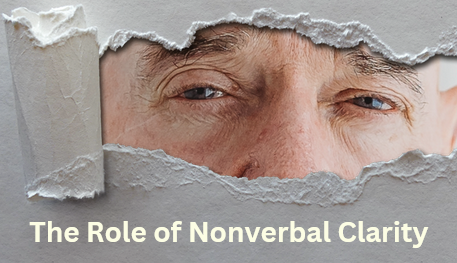
Nonverbal communication, a potent force in leadership, often resonates more powerfully than the spoken word. A leader’s posture, whether it exudes confidence and openness or slouches in a closed manner, can significantly influence how their message is perceived. The power of consistent, confident eye contact goes beyond mere engagement, fostering trust and connection with the audience. The manner in which a leader uses gestures—whether expansive hand movements that emphasise enthusiasm or subtle nods that indicate agreement—can further enhance their message or, conversely, create confusion if misaligned with their words.
Moreover, the timing and use of pauses in conversation are crucial to effective communication. A well-placed pause can allow the audience to digest important points, signal confidence, and create anticipation. Together, these nonverbal cues—posture, eye contact, gestures, and pauses—when executed with precision, convey a profound sense of confidence, empathy, and authority, instilling a sense of control in the leader.
This clarity in nonverbal communication is vital within team dynamics and stakeholder interactions. Individuals are often more swayed by a leader’s perceived conviction and authenticity than by the content of their verbal statements alone. When leaders communicate with this level of nonverbal awareness, they not only reinforce their messages but also cultivate an environment of trust and motivation among their teams, fostering a deeper connection.
Nonverbal clarity extends beyond merely maintaining consistent facial expressions; it encompasses the synchronisation of every gesture, posture, and facial movement with the message’s underlying intent. This means that every nonverbal cue should align with the message a leader is trying to convey. For example, during high-stakes discussions, a leader who sustains firm eye contact and carries themselves with a calm, steady demeanour fosters an atmosphere of trust and confidence among team members. This unwavering presence allows others to feel more secure in that leader’s decisions and insights.
In contrast, when a leader exhibits closed-off body language—such as crossed arms, fidgeting, or avoiding eye contact—these defensive signals can create an unsettling environment. Erratic hand movements or shifting postures may also introduce unease, prompting others to question the validity of the spoken words, regardless of how sound the verbal message may be. Therefore, achieving nonverbal clarity is essential for effective communication, as it reinforces the spoken message and establishes a meaningful connection with the audience.
Andrew Forrest is a vivid illustration of a leader who masterfully employs nonverbal communication to achieve significant results.
During public appearances, he often adopts an open, inviting posture, subtly leaning forward as he speaks to convey his genuine engagement with the audience. Rather than crossing his arms, which can be perceived as defensive, Forrest typically positions his hands at his sides in a relaxed manner or gestures fluidly, signalling his openness and approachability.
In various settings—whether in intense negotiations or community discussions—his calm, composed facial expression plays a crucial role in alleviating potential tension. This is especially important when navigating sensitive subjects such as partnerships with indigenous communities or discussions of environmental stewardship. Forrest’s nonverbal cues, including steady, purposeful gestures and an attentive listening posture, convey a strong sense of trustworthiness. His consistent and thoughtful tone further reinforces this connection, allowing him to bridge gaps between differing perspectives and guide conversations toward mutually beneficial solutions. Through these well-calibrated nonverbal signals, he fosters a collaborative atmosphere, thereby facilitating productive dialogue and aligned outcomes even amid contrasting opinions.
Jack Ma, the co-founder of Alibaba, exemplifies the art of nonverbal communication, effectively captivating audiences across various settings. Whether he is engaging with high-profile attendees at global business forums or speaking casually with budding entrepreneurs, his warm, genuine smile and relaxed posture radiate both humility and self-assuredness. His body language includes subtle nods that not only affirm others’ contributions but also foster an atmosphere of respect and inclusion, making individuals feel acknowledged and appreciated.
During challenging moments, such as when he must discuss difficult financial decisions facing his company, Ma’s delivery is particularly noteworthy. He speaks with intentional pacing, allowing his words to resonate with the audience. At the same time, his deliberate use of open hand gestures establishes a sense of transparency and sincerity. This combination of measured expression and approachable demeanour reassures listeners that he is thoughtfully communicating even when the subject matter is uncomfortable or distressing. Such mastery of nonverbal clarity not only enhances his credibility but also strengthens the connection he shares with his audience, making his messages more impactful.
What Leaders Need to Change and Master
For leaders striving to enhance their nonverbal communication, the foundational step is cultivating deep self-awareness. This process begins with an honest evaluation of how others perceive their physical presence. A productive way to gain insights is by soliciting feedback from trusted colleagues, focusing not only on verbal exchanges but also on interpreting body language effectively.
Leaders should methodically hone the following key areas:
Posture: Adopt an upright yet relaxed posture. Standing tall conveys authority and confidence while ensuring one does not appear overly aggressive or intimidating. This balance helps create a more approachable demeanour.
Eye Contact: Establishing and maintaining appropriate eye contact is essential. It signals attentiveness and reinforces the message of sincerity and engagement. Proper eye contact helps foster a stronger connection with the audience. It indicates that the leader values their input and presence.
Gestures: Purposeful and controlled gestures are vital for emphasising key points. Leaders should ensure that their movements are deliberate and complement both the tone and content of their message. This alignment between verbal and nonverbal elements reinforces the clarity of the communication.
Facial Expression: Leaders need to ensure that their facial expressions align with the emotional tone of their delivery. Incongruence between words and phrases can undermine trust and create confusion. Leaders should practice expressing genuine emotions that accurately reflect their message.
Spatial Awareness: Understanding the dynamics of physical proximity is essential in communication. Leaders should be mindful of the distance between themselves and their audience; standing too close may appear intrusive, while standing too far away can create a sense of detachment. Finding the right balance fosters a comfortable atmosphere for interaction.
To implement these changes effectively, leaders are encouraged to be intentional in meetings and presentations. Engaging in role-playing exercises can help identify unconscious nonverbal habits that may detract from clarity. Additionally, recording presentations for self-review can reveal unintentional movements or expressions that may require adjustment and refinement.
By developing a consistent personal communication style—where verbal messages harmonise with nonverbal cues—leaders can bolster their long-term credibility and enhance their overall effectiveness in engaging with others.
Achieving mastery in nonverbal clarity involves cultivating a harmonious, congruent presence in which a leader’s words, facial expressions, and gestures are intricately aligned to convey a unified message. This alignment is crucial, as it enhances the leader’s perception, signalling to team members, partners, and the public that they possess a solid foundation of trustworthiness and clarity in both their intentions and the direction they are guiding others toward.
When verbal communication—such as the content of speeches or directives—is complemented by supportive nonverbal cues, including confident body language, appropriate facial expressions, and eye contact, its impact is amplified. This seamless integration not only fosters understanding but also instils belief and confidence in the leader’s vision. Ultimately, when leaders communicate effectively at both the verbal and nonverbal levels, they develop a deeper connection with their audience, ensuring that their message resonates and inspires action.
